Master Creamy Sausage Gravy: Essential Tips for the Perfect Roux
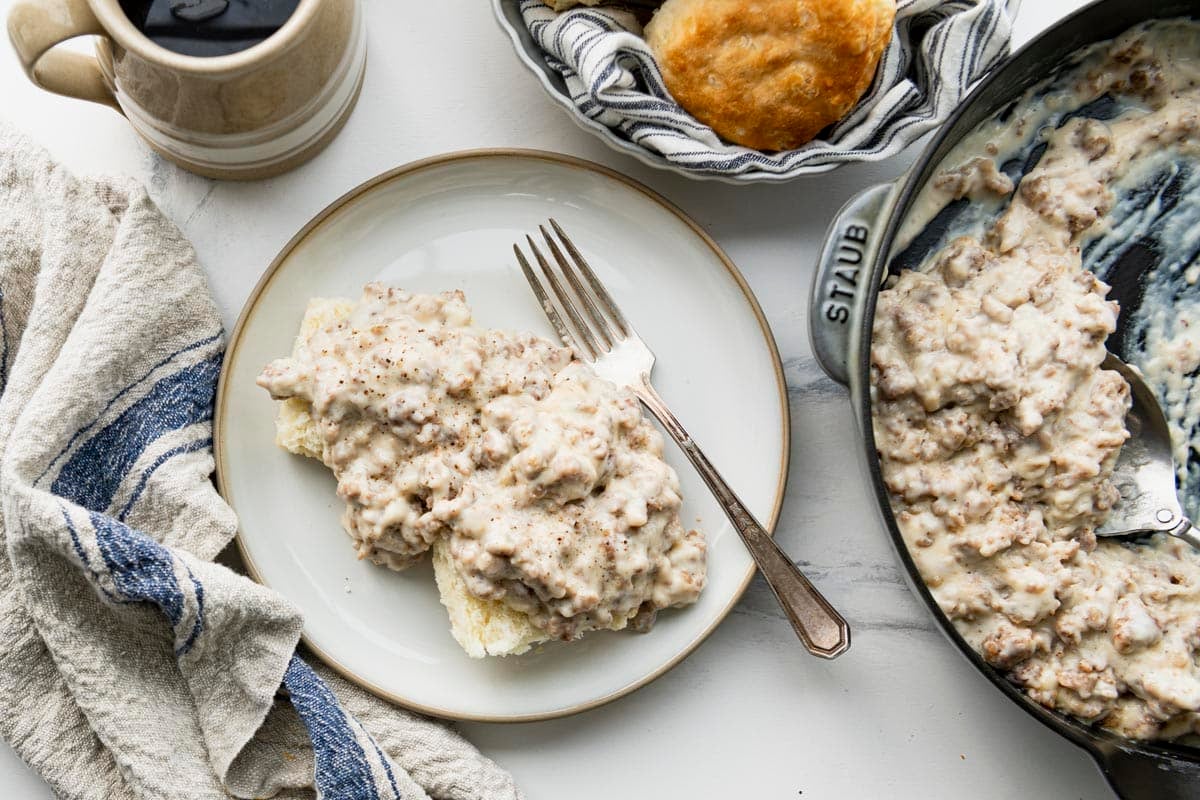
There are few dishes as intrinsically tied to comfort, heritage, and pure morning satisfaction as a plate of classic biscuits and sausage gravy. This quintessential Southern breakfast isn't just a meal; it's an experience, a warm hug on a plate that brings people together. While fluffy, tender biscuits provide the perfect canvas, the true magic lies in the rich, creamy, and deeply flavorful sausage gravy, meticulously crafted from scratch. And at the heart of every impeccable gravy? A perfectly executed roux.
For many, homemade southern breakfasts were a way of life, gracing tables for every special occasion, gathering, or simply to start a day right. The beauty of this dish is its surprising simplicity. In just one pan, you transform humble ingredients into a hearty, soul-warming feast. Let's delve into the secrets behind achieving that unparalleled creamy texture and robust flavor, focusing on the foundational element that makes all the difference: the roux.
The Heart of the Matter: Why Biscuits and Sausage Gravy Reigns Supreme
The enduring popularity of biscuits and sausage gravy isn't just nostalgia; it's a testament to a dish that delivers on every front. Imagine waking up to the aroma of savory sausage sizzling and warm biscuits baking – a true incentive to get out of bed! This isn't just a meal; it's an inexpensive, hearty, and deceptively simple culinary delight that epitomizes made-from-scratch comfort food.
Whether it's for a lazy weekend brunch, a holiday gathering, or simply to treat yourself to something truly special, this dish consistently satisfies. The rich, savory gravy, studded with flavorful sausage crumbles, provides a wonderful counterpoint to the soft, absorbent biscuits. It's a dish that comes together quicker than you might expect, often in as little as 15 minutes once you have your ingredients prepped. But the key to its irresistible appeal lies in understanding and mastering the individual components, especially that luxurious, thick gravy.
Laying the Flavor Foundation: Mastering Your Sausage Choice and Preparation
Before you even think about the roux, the journey to exceptional sausage gravy begins with the right sausage and how you prepare it. This initial step sets the stage for all the deliciousness to come.
Selecting the Perfect Sausage
The type of sausage you choose significantly impacts the final flavor profile of your gravy. For an authentic Southern experience, opt for a good quality breakfast pork sausage, either mild or spicy depending on your preference. Each brand seasons their sausage slightly differently, so don't be afraid to taste and adjust the seasoning of your gravy later. While traditional pork sausage provides the most classic flavor and essential fat, alternatives like turkey sausage can also be used. Just be mindful that leaner options will require adjustments, which we'll discuss when we get to the fat.
Browning for Maximum Flavor (and Fat!)
Once you've selected your sausage, the next critical step is browning it properly. Add your breakfast sausage to a large skillet over medium heat. Using a wooden spoon or spatula, break the sausage into small, bite-sized crumbles as it cooks. You want these pieces fairly small and even so they distribute beautifully throughout the gravy, ensuring a burst of flavor in every spoonful.
Cook the sausage for about 6-8 minutes, stirring occasionally, until it's deeply browned and no longer pink. This browning isn't just about cooking; it's about developing rich, complex flavors through the Maillard reaction. Once cooked, the sausage should be crumbly and wonderfully browned. Pro Tip: Resist the urge to drain the fat! Those flavorful drippings are absolutely essential for making your roux and are a non-negotiable component of truly delicious sausage gravy.
Use a slotted spoon to transfer the cooked sausage to a plate lined with paper towels, leaving all those precious drippings in the skillet. This prepares the pan for the next, most crucial step.
The Golden Rule: Crafting the Perfect Roux for Creamy Gravy
The roux is the unsung hero of creamy sausage gravy. It's what gives the gravy its luscious, thick consistency and helps bind all those savory flavors together. Without a proper roux, your gravy would be thin and unappealing. This is where precision and technique truly shine.
Understanding the Roux: Fat, Flour, and Flavor
A roux is simply a mixture of cooked fat and flour, forming the base of many sauces and gravies. For our biscuits and sausage gravy, the fat comes directly from your cooked sausage drippings. You need precisely 1/4 cup of fat to create a proper roux. Measure the fat left in your skillet after removing the sausage. If you have less than 1/4 cup (common with leaner sausages or if you accidentally drained some), simply add unsalted butter until you reach the correct amount. If you have more, carefully spoon out the excess, as too much fat can make the gravy greasy.
Once you have your 1/4 cup of fat in the skillet over medium heat, gradually whisk in 1/4 cup of all-purpose flour. Whisking constantly is key here. This prevents lumps from forming and ensures that the flour cooks evenly. Cook the flour and fat mixture for 1-2 minutes, continuing to whisk, until it forms a smooth, pale paste and loses its raw flour smell. This step is vital for developing flavor and preventing your gravy from tasting chalky.
The Art of Whisking: Preventing Lumps and Achieving Smoothness
With your roux established, it's time to introduce the liquid. The ideal flour-to-milk ratio for a perfectly spoonable sausage gravy is 1/4 cup flour to 2 1/4 cups milk. Gradually pour in the milk (whole milk is recommended for the creamiest results), whisking continuously as you add it. Pouring it in slowly and whisking vigorously will help prevent lumps and ensure a silky-smooth consistency. Don't rush this process.
As you add the milk, the mixture will initially look thin, but as it heats up and the starches in the flour activate, it will begin to thicken. Keep whisking to prevent scorching on the bottom of the pan and to maintain that desirable smooth texture. Patience is a virtue here; allow the gravy to come to a gentle simmer, which is when you'll truly see it begin to thicken beautifully.
Temperature Control and Thickening Secrets
Maintain a consistent medium heat throughout the thickening process. The gravy will thicken as it simmers, typically taking a few minutes. If you find your gravy is thicker than desired, don't panic! Gradually whisk in a splash or two of additional warm milk until it reaches your preferred consistency. Conversely, if it's too thin, allow it to simmer gently for a few more minutes, whisking occasionally, until it reaches the desired thickness. Avoid adding more flour directly to the gravy at this stage, as it will likely result in lumps.
Once the gravy has thickened to your liking, stir the reserved cooked sausage crumbles back into the pan. Taste the gravy and season generously with salt and freshly ground black pepper. Remember that the sausage contributes a lot of flavor, so season incrementally until it's just right. Some prefer a pinch of cayenne pepper for a subtle kick.
The Perfect Pairing: Serving Your Gravy with Warm Biscuits
No discussion of sausage gravy is complete without its essential counterpart: warm, fluffy biscuits. The pairing is non-negotiable for the ultimate comfort food experience.
The Biscuit Imperative
Tradition dictates that sausage gravy be served over freshly baked, warm, and split biscuits. The warmth is crucial because it allows the gravy to melt slightly into the biscuit's nooks and crannies, soaking up all that incredible flavor. While homemade biscuits offer the flakiest, most flavorful results – for truly exceptional homemade biscuits, explore our guide: Hearty Southern Breakfast: The Ultimate Guide to Homemade Biscuits & Gravy – you can certainly use store-bought refrigerated biscuit dough or even frozen biscuits for a convenient shortcut. These options bake up perfectly while your gravy is coming together.
Pro Tip: Always start baking your biscuits first. They should be warm and ready just as your gravy finishes. If your biscuits are done before the gravy, simply tent them loosely with foil to keep them toasty. This ensures that every bite is a comforting blend of warm, tender biscuit and rich, creamy gravy.
Mastering creamy sausage gravy is a culinary accomplishment that brings immense satisfaction. By focusing on the quality of your sausage, preserving those precious drippings, and meticulously crafting your roux, you unlock the secret to a truly unforgettable Southern breakfast. From the initial browning of the sausage to the careful whisking of the roux and the final seasoning, each step contributes to the harmonious symphony of flavors and textures.
So, gather your ingredients, follow these essential tips, and prepare to indulge in the ultimate comfort food experience that is biscuits and sausage gravy. Ready to whip up this classic in no time? Check out our quick recipe: Easy Biscuits and Gravy: Make Southern Comfort in 15 Minutes.
